Remote IT Support Model
Secure, scalable and flexible remote IT support for modern businesses.
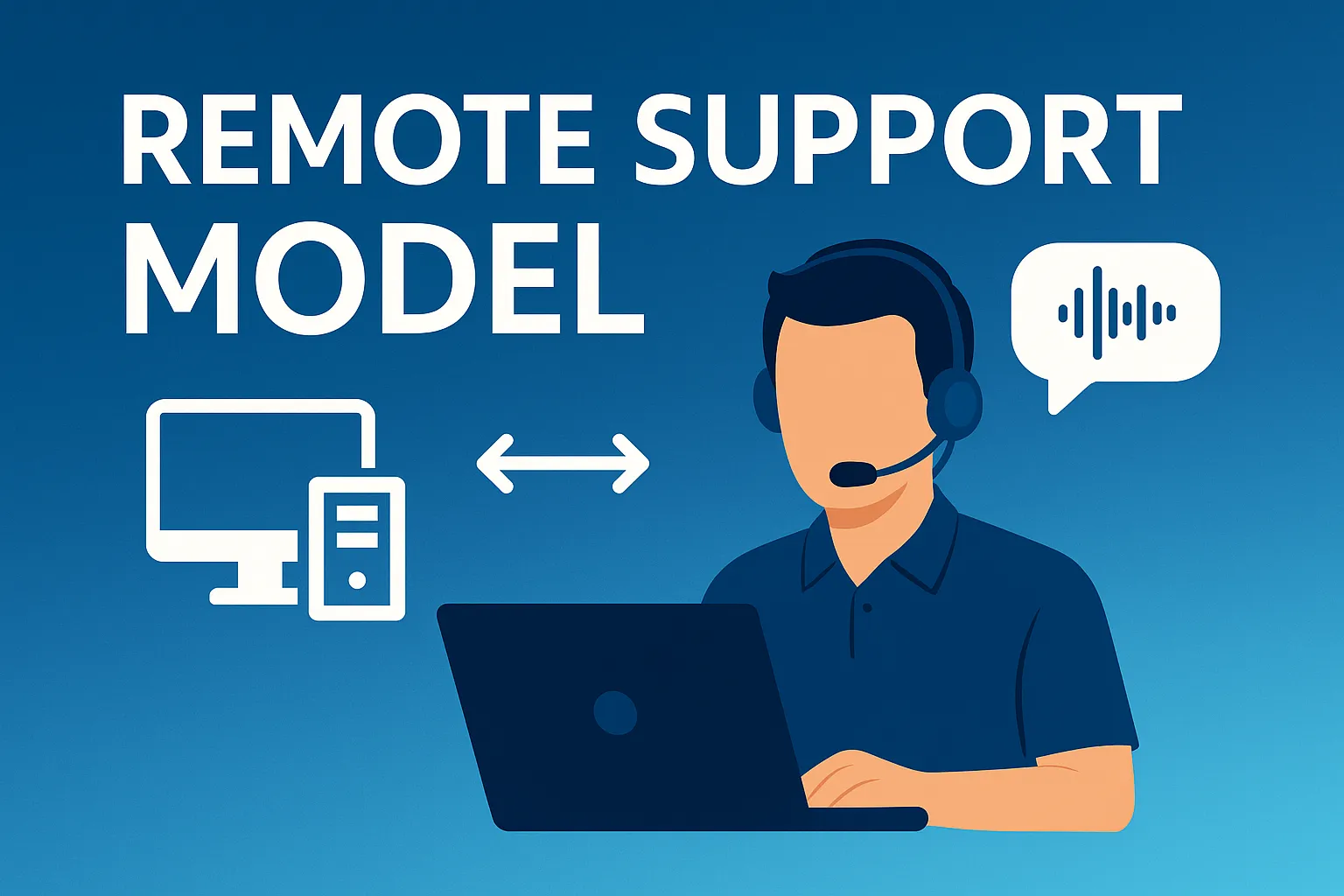
Bigs Bilişim provides a fully managed Remote Support Model designed to support end users, servers and infrastructure without requiring continuous on-site presence.
Our remote IT support services help organizations operate their systems more efficiently through helpdesk support, server administration, monitoring, troubleshooting, automation and infrastructure maintenance.
What Our Remote Support Model Includes
- Remote IT support for users, servers and infrastructure
- Windows, Linux and macOS support
- Helpdesk and ticketing integration
- Remote desktop, VPN and secure CLI-based support
- Monitoring and alert-based incident handling
- SLA-based response and resolution models
- ITIL-aligned support and escalation processes
Who Is It For?
Our Remote Support Model is suitable for organizations that need reliable technical support without expanding their internal IT team.
- Small and medium-sized businesses
- Enterprises with distributed teams
- Remote-first companies
- International clients looking for cost-effective IT support from Türkiye
- Technology partners requiring Level 2 or Level 3 support
- Companies that need system administration, monitoring and infrastructure support
Delivery Options
Fully Outsourced IT Support
Bigs Bilişim can act as your remote IT department, handling user support, infrastructure monitoring, system maintenance and daily operational tasks.
Augmented IT Teams
We can work as an extension of your internal IT team, increasing your support capacity without long hiring processes or additional full-time headcount.
Project-Based Remote Operations
We can deliver specific remote IT projects such as server migrations, patch management, Active Directory restructuring, monitoring implementation and infrastructure automation.
Security and Compliance
Remote support must be secure and controlled. Bigs Bilişim uses structured access methods and security practices to protect customer environments.
- Encrypted remote sessions
- VPN or approved agent-based access
- Two-factor authentication where applicable
- Role-based access control
- Session logging and audit trails
- GDPR, KVKK and ISO 27001-aware working practices
Reporting and Visibility
We provide visibility into the work performed and the health of supported environments.
- Monthly performance reports
- Incident trend analysis
- System health dashboards
- Ticket status and SLA reporting
- Operational improvement recommendations
Technology Stack
The exact toolset depends on the customer environment, security requirements and support scope.
- Remote access: AnyDesk, RustDesk, TeamViewer, RDP or VPN
- Monitoring: Zabbix, Grafana, Nagios or similar tools
- Ticketing: GLPI, Jira, ServiceNow or customer systems
- Automation: Ansible, PowerShell, Bash and approved scripts
Work With Bigs Bilişim Remotely
If your organization needs reliable remote IT support, server administration, infrastructure monitoring or outsourced technical operations, Bigs Bilişim can help.
Contact us at [email protected] to discuss your remote support needs.
Frequently Asked Questions
What is Bigs Bilişim’s Remote Support Model?
Bigs Bilişim’s Remote Support Model is a managed IT support approach that allows organizations to receive technical support, system administration, monitoring and infrastructure operations remotely without requiring continuous on-site presence.
What services are included in remote IT support?
Remote IT support can include helpdesk support, server administration, Windows and Linux support, monitoring, troubleshooting, patch management, backup checks, ticket handling, user support and infrastructure maintenance.
Can Bigs Bilişim support both users and servers remotely?
Yes. Bigs Bilişim can provide remote support for end users, servers, virtual machines, cloud systems, network-related issues, monitoring alerts and operational infrastructure tasks.
Which operating systems are supported?
Bigs Bilişim supports Windows, Linux and macOS environments depending on the support scope, access model and customer requirements.
Is remote support secure?
Yes. Remote support can be delivered through encrypted sessions, VPN access, approved remote access tools, role-based access control, multi-factor authentication and session logging depending on the customer’s security requirements.
Can remote support be provided with SLA commitments?
Yes. Bigs Bilişim can define SLA-based response and resolution targets depending on the support model, service scope, business criticality and customer agreement.
Can Bigs Bilişim work with our existing IT team?
Yes. Bigs Bilişim can work as an extension of your internal IT team by providing additional remote support capacity, Level 2 or Level 3 expertise, operational assistance and project-based technical delivery.
Can you support international companies remotely?
Yes. Bigs Bilişim can support international customers remotely, especially companies that need system administration, infrastructure support, monitoring, automation and managed IT services from Türkiye.
Which tools are used for remote support?
The toolset depends on customer requirements. Common tools may include VPN, RDP, AnyDesk, RustDesk, TeamViewer, Zabbix, Grafana, GLPI, Jira, ServiceNow, Ansible, PowerShell and Bash.
Can Bigs Bilişim provide monitoring as part of remote support?
Yes. Monitoring can be included as part of the remote support model. Bigs Bilişim can help monitor system health, alerts, infrastructure availability and recurring operational issues.
Can remote support include project-based work?
Yes. Bigs Bilişim can deliver remote projects such as server migrations, patching, Active Directory restructuring, monitoring implementation, automation workflows and infrastructure improvements.
How can we start using Bigs Bilişim remote support?
The usual starting point is a discovery session. Bigs Bilişim reviews your support needs, infrastructure scope, access model, security requirements and SLA expectations, then proposes a suitable remote support model.